by Pranavi Polisetty
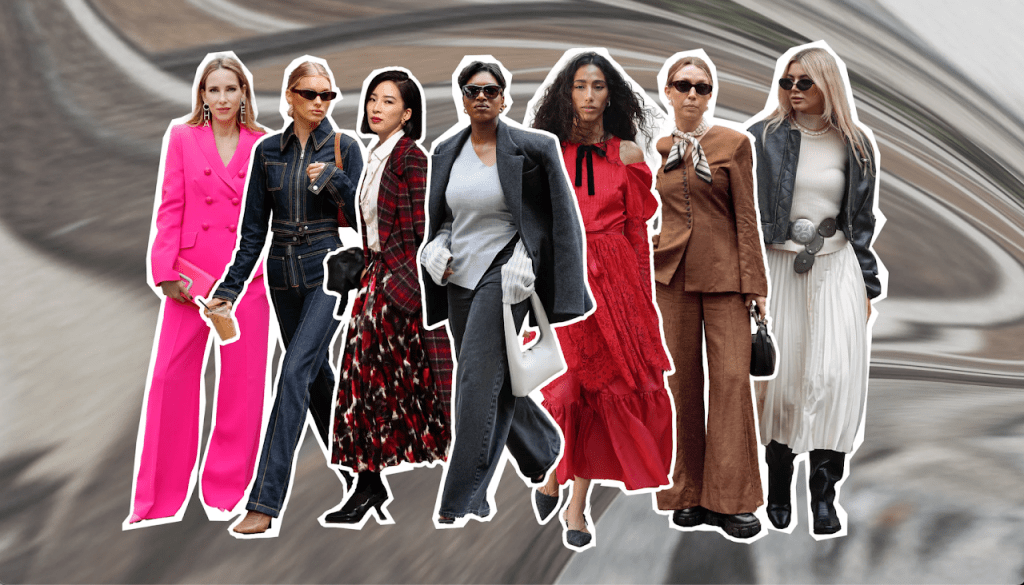
What is fashion? Fashion is different for everyone: some people like low-waisted jeans, while others like backless dresses. Trends are also a huge thing to take into consideration. As the years change, fashion changes with it. For example, in the 2000s skinny jeans were the “it” item where everyone was wearing them. Whereas in 2023, skinny jeans are hated by Gen-Z’s. Many trends like this that used to be popular are now as good as dead. Trends are mostly influenced by films, celebrities, technology, and climate. Movies like The Mean Girls influenced fashion trends like the Louis Vuitton Takashi Murakami Bags. After Lindsay Lohan wore them on the show, they were a staple and a must-have. The show also made the classic pink matching sweatpants iconic. Fashion’s not just clothes: from bags to accessories to hair, everything is fashion. For example, hair in the 2000s included braids, spiky buns, and butterfly clips. Every celebrity and TV show actor was seen wearing them, and soon they became the trend of the years. Not just for women but also for men. Men’s fashion trends back in the 2000s consisted of man buns, overpowering logos, and bushy beards. Nowadays men’s fashion is all about Athleisure and loose-fitted clothes. Despite this, there are also a few trends from back in the day that are receiving more love than ever. Aesthetics like old money, crazy sunglasses, chunky boots, mini skirts, and DIY denim are all back. However, as cool as fashion seems, it is just as dangerous.
Fast fashion is cheap, stylish, mass-produced clothes that are not made to last. This is dangerous to the environment as it increases textile waste and environmental pollution. Textile waste is the material that is discarded throughout the production process. New clothes are made every day and as new trends arise, old clothes are thrown away. Compared to other materials like paper, glass, and even plastic, Clothing has the lowest recycling rates. This is because of the short-fiber fabric used to make clothes, as these are cheaper and thinner and cannot be remade into new fabrics. The biggest contributor to textile waste over the years is H&M. Another famous brand is Shein which follows “quantity over quality” resulting in an overwhelming amount of products, flooding the market. Many of these end up in landfills or thrift stores. Instead, buy from clothing brands such as Reformation, Pact, and Happy Earth. These brands are sustainable and eco-friendly. Although it may be surprising, excessive clothing also causes water pollution. Clothes are made out of synthetic fabrics that contain microplastic. When these items are washed, tiny shreds of plastic are flushed into the wastewater systems and eventually make their way out into the ocean. Research shows that washing clothes releases 500,000 tons of microfibres into the ocean each year, the equivalent of 50 billion plastic bottles. There is a way to stop this, by buying quality, sustainable clothes, and also by not chasing trends. Another way is to donate clothes that are no longer in use. Doing this will not only reduce the amount of clothing waste but it will also allow everyone to be happy.
To sum it all up, fashion is always changing and evolving along with humans. The keynote about fashion is that it is a tool by which we can express ourselves, and as long as it is seen that way, everything is good. In the following years in the fashion industry, there are going to be even more brands and fast fashion will continue to grow. Growth comes in many forms such as eco-friendly clothing, making only sustainable clothes, and instead of throwing away old clothes, donating them. If people realize what fashion does to the environment and how that impacts everyone in the long run, then there will be a change. That change will increase hope for a better future.



 The Drumbeat