by Edward Limanov
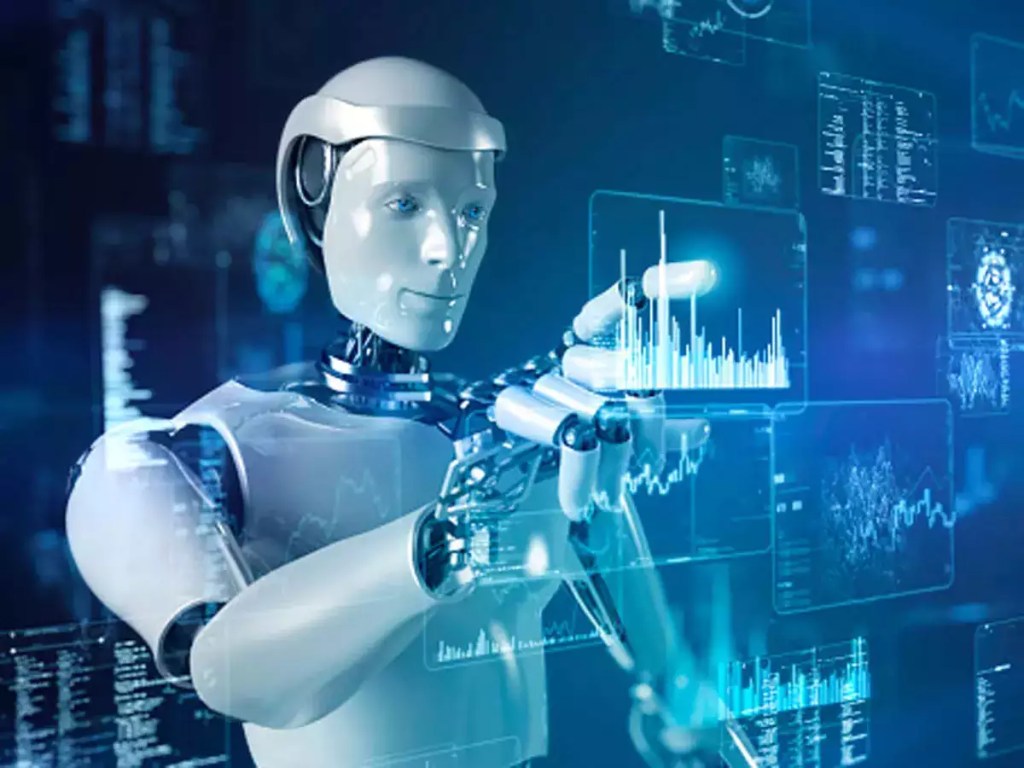
It was just another shift when I was called to the manager’s office to receive some new training on the computer. I was surprised to learn that sometime in the next few months, the franchise I work for will be implementing an artificial intelligence voice in the drive thru. I had and still have a lot of questions about this. There are a lot of positives, like efficiency and not having to multitask during rush hours, but the negatives to, like what about my job, will i get laid off? This is a question that a lot of workers should be asking themselves these days, especially in the fields of jobs like data entry clerks, customer service representatives, receptionists, etc.
It may not concern a lot of people at the moment but artificial intelligence is evolving by the day and it is getting one step closer on a daily basis to taking even more advanced jobs that you might not expect. As for careers not having a chance of being taken by artificial intelligence, the only jobs safe from this that comes to mind are trades such as electricians, plumbers, repairmen, construction, landscapers, janitors, etc. Many experts believe that an alarmingly large portion of other careers are at stake when it comes to artificial intelligence. This brings me to think about laws that are in place or should be put in place in order to protect hard workers from losing their jobs to artificial intelligence. As of right now, there are currently no specific federal laws in place to protect against this, an employer can fire you for any reason, as long as it does not violate employee discrimination laws. Although artificial intelligence may cause workers to lose jobs, it also, at the same time, creates new jobs. According to a recent study, it is ashurring to hear that only about twenty percent of job tasks in the United States are susceptible to being taken over by AI, which, at the moment, does not make sense for most companies because the implementation of artificial intelligence in the workplace is actually so expensive that it outweighs the benefits in most cases. Also, many consumers prefer interacting with humans instead of computers and it is possible it could lead to a loss of sales for some firms so it might be in a lot of industries’ benefits to not make the switch. The gains from artificial intelligence will only be for select people like business owners while a larger portion of workers could struggle to find relevance in an economy that will probably no longer need them.
I think that losing your job to artificial intelligence is not just about employment, but also one’s dignity and inclusion. We as a society have to decide whether we should let efficiency be completely superior or whether we value the people, who a lot of are living paycheck to paycheck and have a family to take care of at home. There has to be ways to make sure they are not just replaced, they have to be supported, respected and given other opportunities to apply themselves in some way. Although artificial intelligence is very impressive in terms of what it is capable of at the moment, it is not perfect yet, which is why I have not been laid off from my job. Sometimes it messes up and I am there to listen in and take over when this happens. What is perhaps most impressive to me is how it is able to learn over time. During my training, the video stated that I should give the AI voice three chances to correct itself when it messes up someone’s order, if it fails all three, that is when I shut it off and take the order myself. It takes in all this information and prevents a similar mess up from happening again. In conclusion, i think AI is very beneficial in many ways and most of us use it but you may want to pay attention to how it could replace some peoples careers in the future and you should always have a plan to counter this if your career is at risk, as well as stay healthy because our future “doctors” are probably on chatGPT right now.

 The Drumbeat
Leave a comment